Roll-to-Sheet Cutters: Guide to Precision Cutting Technology
Roll-to-sheet cutters are industrial machines designed to convert continuous material rolls into individual sheets of predetermined lengths. They are commonly used with materials such as paper, cardboard, plastic film, metal foil, rubber, laminates, textiles, and other flexible or semi-flexible substrates.
The basic purpose of this technology is to make continuous production materials easier to handle, process, package, transport, or use in later manufacturing stages. Instead of manually cutting material from a large roll, an automated system measures the required length and performs repeated cuts.
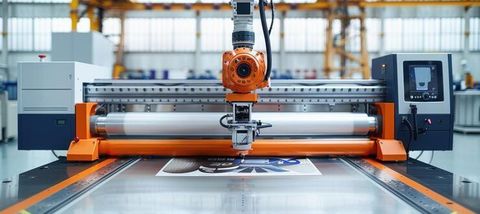
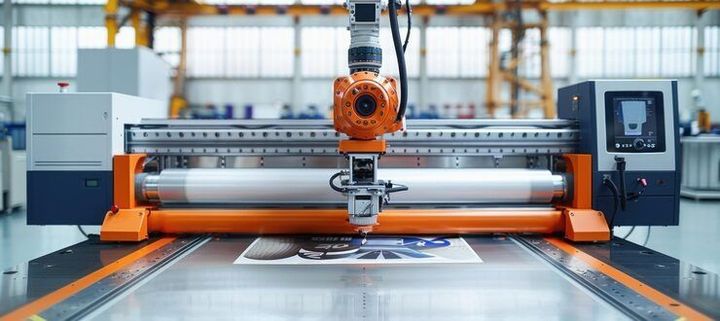
A typical roll-to-sheet cutting machine includes an unwind section, material-feeding mechanism, measuring or encoder system, cutting unit, control system, and sheet collection area. Depending on the material and production requirements, the cutting mechanism may use rotary knives, guillotine blades, shear cutters, or other cutting technologies.
The process normally begins with the material being unwound from a roll. Feed rollers then move the material through the machine while sensors or encoders monitor its movement. Once the programmed sheet length is reached, the cutting mechanism separates the sheet from the continuous web.
Modern systems can integrate digital controls that allow operators to adjust sheet length, cutting speed, production quantities, and other parameters. This makes roll-to-sheet technology suitable for both standardized production and applications requiring frequent dimensional changes.
Why Precision Cutting Matters Today
Precision is important because even small dimensional variations can affect downstream manufacturing processes. In packaging, printing, electronics, construction materials, and industrial fabrication, sheet dimensions often need to remain consistent.
Roll-to-sheet cutters help address several production challenges:
- Consistent sheet length across repeated cutting cycles
- Reduced material handling during continuous production
- Better synchronization with upstream and downstream equipment
- Faster preparation of sheet materials
- Improved production repeatability
- Easier adjustment between different sheet dimensions
- Reduced dependence on manual measuring and cutting
The technology is particularly relevant to industries working with high-volume web materials. Paper converting, flexible packaging, label production, insulation materials, textile processing, and plastic-film manufacturing can all involve roll-to-sheet conversion.
Precision also matters for material utilization. Accurate feeding and cutting can help manufacturers monitor trim, reduce unnecessary waste, and maintain predictable sheet dimensions.
For industries using expensive technical materials, digital measurement and controlled feeding can be especially important. Production teams can monitor cutting parameters and identify dimensional deviations before they become widespread.
Key Factors That Influence Cutting Performance
Several technical factors determine how effectively a roll-to-sheet cutter performs.
Material characteristics:
Thickness, flexibility, tensile strength, surface finish, and elasticity influence the choice of cutting mechanism and feeding configuration.
Sheet dimensions:
The required sheet length and width affect machine configuration and operating parameters. Applications requiring frequent size changes generally benefit from flexible digital controls.
Cutting speed:
Higher production speeds require accurate synchronization between feeding and cutting. Poor synchronization can create dimensional errors or uneven cuts.
Web tension:
Stable material tension helps prevent stretching, wrinkles, and positioning errors. Tension control becomes particularly important with thin films and flexible materials.
Measurement accuracy:
Encoders and sensors help determine how much material has passed through the cutting zone. Reliable measurement supports repeatable sheet dimensions.
Blade condition:
Cutting components need appropriate maintenance. Dull or incorrectly adjusted blades can create rough edges, deformation, or inconsistent cuts.
Recent Technology Trends in 2025–2026
Roll-to-sheet cutting technology has continued moving toward greater automation and digital monitoring during 2025 and 2026. One important trend is the wider use of electronic control systems that connect feeding, measurement, and cutting functions within a single operating environment.
Human-machine interfaces are becoming increasingly important. Touchscreen controls can allow operators to enter sheet dimensions, production parameters, and machine settings from a centralized interface.
Another development is greater use of sensors for production monitoring. Sensors can help detect web position, material movement, roll diameter, tension conditions, and potential interruptions.
Automation is also becoming more closely connected with manufacturing data systems. In digitally integrated production environments, machine data can be used to monitor output, downtime, quality indicators, and maintenance requirements.
Energy efficiency is another area receiving attention. Manufacturers are increasingly evaluating drive systems, motors, control components, and machine operating cycles to reduce unnecessary energy consumption.
Flexible production is also influencing machine design. Manufacturers may need to process different materials or sheet sizes during the same production period. Quick parameter changes and programmable cutting sequences can make these transitions easier.
Artificial intelligence and predictive analytics are also emerging across industrial manufacturing. While their implementation varies by application, data-driven systems can support anomaly detection, maintenance planning, and production analysis.
These developments do not eliminate the importance of basic mechanical design. Reliable feeding, appropriate blade selection, stable tension, and accurate measurement remain fundamental to cutting performance.
Laws, Safety Rules, and Industrial Policies
Roll-to-sheet cutters are industrial machinery, so workplace safety requirements are an important consideration. The exact rules depend on the country where the equipment is installed and operated.
In India, industrial workplaces are subject to occupational safety requirements under applicable national and state frameworks. Machinery safety provisions can cover areas such as guarding, operator protection, electrical safety, workplace conditions, maintenance procedures, and safe operating practices.
Manufacturers and industrial operators should also consider applicable standards covering machine guarding, electrical systems, emergency stopping, risk assessment, and safe maintenance.
International manufacturing environments may refer to frameworks such as ISO-based machinery safety standards and relevant electrical or workplace safety requirements.
Important safety considerations include:
- Physical guarding around hazardous moving components
- Emergency-stop mechanisms
- Safe access for cleaning and maintenance
- Appropriate operator training
- Electrical protection
- Clear operating procedures
- Lockout and isolation practices during maintenance
- Regular inspection of cutting components
Environmental regulations can also become relevant when cutting coated, laminated, plastic, or chemically treated materials. Waste handling and industrial emissions requirements depend on the material and location.
Because regulations can change, businesses should verify the latest requirements with the appropriate national or local authority before commissioning machinery.
Tools and Resources for Roll-to-Sheet Cutting
Several practical tools can help engineers, operators, and production planners understand or manage roll-to-sheet processes.
Material calculation tools:
Roll-length, sheet-count, and material-utilization calculators can help estimate how many sheets can be produced from a given roll.
Web-tension references:
Technical charts and engineering references can help teams understand how material thickness, width, elasticity, and tension influence web handling.
Digital measurement systems:
Encoders, sensors, and programmable controllers can support accurate measurement and synchronization.
Maintenance checklists:
Routine inspection templates can track blade condition, roller alignment, sensors, belts, bearings, electrical components, and safety mechanisms.
Production monitoring dashboards:
Digital dashboards can organize information such as production quantity, machine speed, downtime, rejected sheets, and maintenance events.
Training resources:
Operator manuals, machinery safety guides, engineering textbooks, technical standards, and industrial training materials can help personnel understand correct operation.
A simple production worksheet can also record roll dimensions, material type, target sheet size, cutting parameters, production quantity, waste, and inspection results.
Frequently Asked Questions
What is a roll-to-sheet cutter?
A roll-to-sheet cutter is an industrial machine that converts continuous material from a roll into individual sheets. It uses controlled feeding and cutting mechanisms to produce sheets of defined dimensions.
Which materials can be processed?
Depending on machine design, roll-to-sheet systems can process paper, cardboard, plastic films, foils, laminates, rubber, textiles, and other web materials. The suitable cutting method depends on material characteristics.
How does the machine maintain sheet length?
A feeding system moves the material through the machine while an encoder, sensor, or other measurement system tracks material movement. When the programmed length is reached, the cutting mechanism separates the sheet.
Why is web tension important?
Stable web tension helps maintain material positioning and dimensional consistency. Excessive or insufficient tension can contribute to stretching, wrinkles, slipping, or cutting inaccuracies.
What should operators check regularly?
Operators should inspect cutting components, rollers, sensors, guards, emergency stops, drive systems, and material alignment according to the equipment manufacturer's operating and maintenance instructions.
Conclusion
Roll-to-sheet cutters play an important role in converting continuous web materials into accurately sized sheets. Their applications extend across paper processing, packaging, plastics, textiles, foil conversion, industrial materials, and other manufacturing environments.