AI-Powered Smart Manufacturing: Insights, Trends, and Technologies
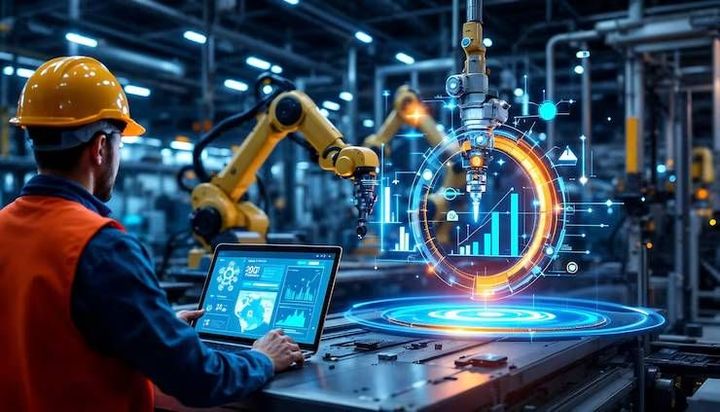
AI-powered smart manufacturing refers to the use of artificial intelligence, connected machines, automation, and advanced data analytics to improve industrial production processes. It combines traditional manufacturing equipment with intelligent technologies that can collect information, identify patterns, predict potential problems, and support better operational decisions.
Traditional manufacturing often depends on manual inspections, fixed production schedules, and human decision-making. Although these methods remain important, they may make it difficult to respond quickly to changing production requirements.
Smart manufacturing introduces intelligent technologies that can process large amounts of information and support faster decisions. For example, an AI system can examine machine temperature, vibration, pressure, and operating speed to identify unusual patterns.
This approach is closely connected with Industry 4.0, which represents the integration of digital technologies into industrial environments.
How Does Smart Manufacturing Work?
AI-powered manufacturing connects machines, software, sensors, and production systems through digital networks.
A typical smart manufacturing process includes:
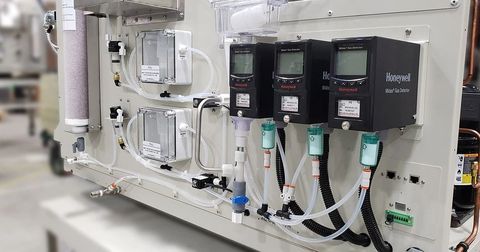
Data Collection: Sensors collect information about machine performance, production speed, temperature, and equipment conditions.
Data Processing: Computer systems organize and analyze the collected information.
AI Analysis: Machine learning models identify patterns, unusual activities, and possible production problems.
Automated Decisions: Intelligent systems recommend adjustments or perform approved actions.
Performance Monitoring: Manufacturers review production results and improve processes using updated information.
This connected approach allows manufacturers to understand factory operations more clearly.
Main Technologies Used in Smart Factories
Several technologies work together to create intelligent manufacturing environments.
Technology | Main Application |
|---|---|
Artificial Intelligence | Production analysis and decision support |
Machine Learning | Pattern recognition and forecasting |
Industrial IoT | Connected machines and sensors |
Robotics | Automated production activities |
Digital Twins | Virtual factory simulations |
Computer Vision | Automated quality inspection |
Cloud Computing | Data storage and processing |
Edge Computing | Faster local data analysis |
These technologies can operate independently or as part of an integrated manufacturing system.
Why AI-Powered Smart Manufacturing Matters Today
Improving Production Efficiency
Manufacturers must manage production schedules, equipment performance, material availability, and quality requirements. AI-powered systems help analyze these activities and identify opportunities for improvement.
For example, production monitoring software can identify machines that operate below their expected performance levels. Managers can investigate the reasons and make appropriate adjustments.
This helps factories reduce unnecessary interruptions and organize production activities more effectively.
Predictive Maintenance and Equipment Monitoring
Equipment breakdowns can interrupt manufacturing operations and affect production schedules.
Traditional maintenance often follows fixed schedules or takes place after a problem appears. Predictive maintenance uses AI to examine equipment information and identify warning signs.
Common monitoring indicators include:
Unusual machine vibration
Increasing operating temperatures
Changes in motor performance
Abnormal pressure levels
Unexpected energy consumption
By identifying these patterns, maintenance teams can investigate potential problems before serious equipment failures occur.
Better Product Quality
Product quality is an important part of manufacturing. Manual inspection can be time-consuming, particularly when factories produce large quantities of components.
AI-powered computer vision systems use cameras and image-processing algorithms to examine manufactured products.
They can help identify:
Surface scratches and defects
Incorrect dimensions
Missing components
Assembly alignment problems
Differences in product appearance
Human inspectors remain important for reviewing unusual cases and confirming quality decisions.
Supporting Workforce Productivity
Smart manufacturing does not simply replace human involvement. It changes how employees interact with machines and production information.
Workers can use digital dashboards, automated inspection systems, and intelligent maintenance tools to understand manufacturing activities.
Training in data analysis, robotics, machine operation, and cybersecurity is becoming increasingly important.
Supporting Sustainable Manufacturing
Energy consumption and material waste are important concerns for industrial organizations.
AI systems can analyze electricity usage, production schedules, equipment performance, and material consumption.
These insights can help manufacturers:
Identify unnecessary energy consumption.
Improve production planning.
Monitor material usage.
Reduce avoidable manufacturing waste.
Understand environmental performance.
However, actual improvements depend on equipment, operating conditions, and how effectively technologies are implemented.
Recent Updates and Smart Manufacturing Trends in 2025–2026
AI-powered manufacturing continues to develop as industrial organizations move from small automation projects toward connected production environments.
Several important developments are shaping this transition.
1. Industrial AI Is Moving Beyond Basic Automation
In 2026, industrial AI is increasingly being applied across production planning, quality inspection, logistics, and equipment monitoring.
A July 3, 2026, National Institute of Standards and Technology (NIST) roadmap examined how artificial intelligence and machine learning can support smart manufacturing.
It highlighted industrial data analytics, advanced sensing, autonomous systems, digital twins, robotics, and sustainable manufacturing as important development areas.
Physical AI combines artificial intelligence with machines that can understand and interact with their physical surroundings.
In manufacturing, this includes intelligent robots equipped with cameras, sensors, and advanced control systems.
These robots can support activities such as:
Component handling
Material transportation
Assembly operations
Automated inspection
Warehouse movement
The World Economic Forum's September 2025 report examined how physical AI is influencing industrial operations through advanced robotics and intelligent automation.
A digital twin is a virtual representation of a physical machine, production line, or industrial facility.
It uses operational information to help engineers understand how real equipment behaves.
Manufacturers can use digital twins to simulate production changes, examine equipment performance, and evaluate different operating conditions.
A July 21, 2026, NIST report highlighted important development areas, including digital twin interoperability, cybersecurity, verification, and workforce readiness.
Connected manufacturing environments create additional cybersecurity requirements.
Factories must protect machine networks, production information, operational software, and connected devices.
Manufacturers are increasingly considering network monitoring, access controls, secure data storage, and system recovery planning.
Smart Manufacturing Technology Trends
The following table summarizes important areas of development.
Technology Trend | Manufacturing Application |
|---|---|
Generative AI | Technical documentation and production analysis |
Physical AI | Intelligent robotic operations |
Digital Twins | Virtual equipment testing |
Predictive Analytics | Equipment condition monitoring |
Edge AI | Local machine intelligence |
Computer Vision | Automated defect detection |
Industrial IoT | Real-time production monitoring |
These trends show how manufacturing is becoming more connected, data-driven, and adaptable.
Laws, Policies, and Government Initiatives
AI-powered smart manufacturing operates within several regulatory areas. Requirements depend on the country, industry, equipment, and type of information being processed.
Smart Manufacturing Policies in India
India has been encouraging the adoption of Industry 4.0 technologies through government initiatives.
One important initiative is SAMARTH Udyog Bharat 4.0, introduced under the Ministry of Heavy Industries.
The initiative supports smart manufacturing awareness, technology demonstrations, research, and workforce development.
Four SAMARTH centres have been established at institutions in Delhi, Pune, and Bengaluru to encourage industrial technology adoption.
Manufacturing organizations must follow applicable workplace safety requirements.
In India, factory safety legislation and applicable state rules address matters such as:
Safe machinery operation
Worker protection
Equipment maintenance
Workplace conditions
Risk prevention
The Factories Act, 1948, includes provisions concerning the health, safety, and welfare of factory workers. Manufacturers should verify the current applicable legal framework and state-level requirements before implementing automated machinery.
The European Union Artificial Intelligence Act establishes a risk-based framework for AI systems.
Its provisions are being introduced progressively. Important milestones include February 2025 for certain AI literacy and prohibited-practice requirements, August 2025 for general-purpose AI obligations, and August 2, 2026, for many additional provisions.
Certain high-risk AI requirements have later application dates, including December 2027 and August 2028, depending on the system category.
Tools and Resources for Smart Manufacturing
Choosing appropriate technologies requires understanding factory requirements, existing machinery, production targets, and available technical skills.
The following tools and resources can help organizations plan and manage digital manufacturing activities.
1. Industrial Data Analytics Tools
Data analytics platforms help manufacturers examine machine performance, production output, equipment conditions, and operational patterns.
They can support performance comparisons and identify unusual production activities.
2. Predictive Maintenance Software
Predictive maintenance tools analyze equipment information to identify possible failures.
Common features include:
Vibration monitoring
Temperature analysis
Equipment condition tracking
Maintenance scheduling
Performance reports
3. Digital Twin Platforms
Digital twin platforms create virtual models of manufacturing equipment and production environments.
Engineers can use these models to study machine behavior and evaluate operational changes before applying them in physical environments.
4. Industrial IoT Monitoring Systems
Industrial IoT systems connect machines and sensors through communication networks.
They help manufacturers monitor production activities and collect information from different areas of a factory.
5. Workforce Training Resources
Training resources help employees understand modern manufacturing technologies.
Useful learning materials include:
Industry 4.0 learning modules
Robotics training programs
AI and machine learning tutorials
Industrial cybersecurity guides
Equipment operation manuals
Digital manufacturing assessment templates
6. Production Performance Calculators
Manufacturers can use general calculation tools to evaluate important performance indicators.
Performance Indicator | What It Measures |
|---|---|
Overall Equipment Effectiveness (OEE) | Equipment availability, performance, and quality |
Production Yield | Percentage of acceptable products |
Downtime Rate | Time when equipment is unavailable |
Energy Intensity | Energy used per production unit |
Defect Rate | Percentage of products with identified defects |
These measurements help organizations understand operational performance and identify areas requiring attention.
Frequently Asked Questions
1. What Is AI-Powered Smart Manufacturing?
AI-powered smart manufacturing uses artificial intelligence, machine learning, sensors, robotics, and connected systems to monitor and improve industrial production activities.
2. How Does AI Improve Manufacturing Processes?
AI analyzes production information, identifies unusual patterns, supports predictive maintenance, and helps manufacturers monitor product quality and equipment performance.
3. What Is the Role of Digital Twins in Smart Manufacturing?
Digital twins create virtual representations of physical machines or production systems. They help engineers simulate operating conditions, examine performance, and evaluate possible changes.
4. Is Smart Manufacturing Suitable for Small and Medium-Sized Industries?
Yes. Small and medium-sized manufacturers can begin with individual applications such as equipment monitoring, automated inspection, and production data analysis. Implementation should match their operational requirements and technical capabilities.
5. What Skills Are Important for Smart Manufacturing?
Important skills include data analysis, industrial automation, robotics, machine learning, equipment maintenance, digital system management, and industrial cybersecurity.
Conclusion
AI-powered smart manufacturing is changing how modern factories monitor equipment, manage production, inspect products, and organize industrial operations. Technologies such as artificial intelligence, machine learning, robotics, digital twins, and Industrial IoT are creating more connected manufacturing environments.