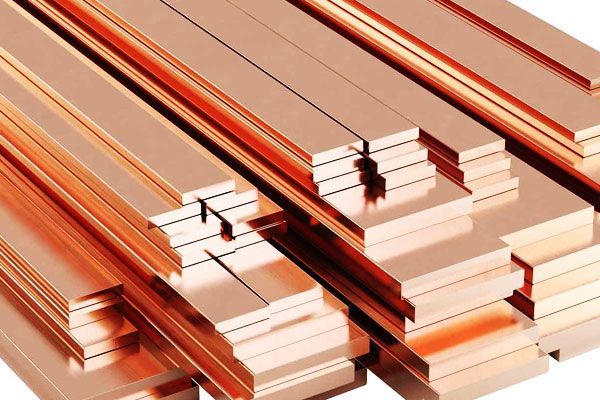
C11000 Copper Sheet Guide: Composition, Properties, and Industrial Uses
C11000 copper sheet is a flat, rolled copper product made from UNS C11000, commonly known as Electrolytic Tough Pitch (ETP) copper. It is a commercially important high-conductivity copper grade used where electrical performance, thermal transfer, formability, and corrosion resistance are important.
The material exists because modern electrical and industrial systems need copper that can carry current efficiently while also being practical to shape into different components. C11000 combines high copper purity with strong electrical conductivity, making it a common material for electrical and industrial applications.
ASTM B152/B152M identifies C11000 among the copper grades covered for sheet, strip, plate, and rolled bar products. The specification addresses chemical composition, temper, electrical resistivity, mechanical properties, and testing requirements.
C11000 is classified as ETP copper. The Copper Development Association database lists a minimum copper content of 99.90%, with the copper value including silver. It also identifies annealed C11000 as a high-conductivity copper with a minimum conductivity of 100% IACS.
The combination of conductivity and workability makes C11000 copper sheet relevant to electrical engineering, power distribution, heat transfer, construction, transportation, and industrial equipment.
Composition and Basic Characteristics
The defining feature of C11000 is its very high copper content. Small quantities of oxygen and trace elements can vary according to the production process, while the primary material remains copper.
C11000 is different from copper alloys that contain significant amounts of zinc, tin, nickel, or other alloying elements. Its relatively simple composition helps maintain the electrical and thermal characteristics associated with commercially pure copper.
| Property | Typical C11000 Characteristic |
|---|---|
| UNS designation | C11000 |
| Common name | Electrolytic Tough Pitch Copper |
| Minimum copper content | 99.90% |
| Electrical conductivity | Minimum 100% IACS in annealed condition |
| Density | About 8.89 g/cm³ |
| Thermal conductivity | About 388 W/m·K at 20°C |
| Melting range | About 1,065–1,083°C |
| Product forms | Sheet, strip, plate and other wrought forms |
Physical and thermal values can vary with temperature, temper, processing history, and test method. For example, published C11000 data gives a density of approximately 8.89 g/cm³ and thermal conductivity around 388 W/m·K at 20°C.
Key Properties of C11000 Copper Sheet
Electrical conductivity is one of the main reasons C11000 is widely used. Efficient current transmission is important in conductors, busbars, electrical contacts, power equipment, and related components.
Thermal conductivity is another major characteristic. Copper can transfer heat efficiently, which makes C11000 useful in heat-transfer components and systems where temperature management is important.
The material also has good formability. Depending on its temper, copper sheet can be bent, stamped, drawn, rolled, and formed into different shapes. Softer tempers generally provide greater formability, while harder tempers provide greater strength.
C11000 also has useful corrosion resistance in many normal environments. However, the actual performance depends on atmospheric conditions, chemicals, temperature, surface condition, and contact with other metals.
Its mechanical properties are strongly influenced by temper. Cold working can increase strength and hardness while reducing ductility. Annealing can restore softness and improve formability.
Why C11000 Copper Sheet Matters Today
The importance of high-conductivity copper has increased as electrical infrastructure becomes more important. Electricity networks, renewable energy systems, electric vehicles, data infrastructure, industrial equipment, and energy storage all depend on substantial amounts of conductive materials.
The International Energy Agency reported in May 2025 that copper demand is expected to grow as clean-energy technologies and electricity infrastructure expand. Its 2025 copper outlook projected total copper demand under its stated-policies scenario from 26.717 million tonnes in 2024 to 31.348 million tonnes in 2030.
This trend affects manufacturers, electrical engineers, infrastructure planners, equipment designers, and material specialists. It also increases interest in material efficiency, recycling, and reliable copper supply.
C11000 can help address several engineering requirements at the same time:
- Efficient electrical conduction
- Effective heat transfer
- Practical sheet forming
- Good surface characteristics
- Compatibility with many industrial fabrication methods
- Recyclability as a copper-containing material
Copper recycling is particularly important because recovered copper can contribute to future material availability. The IEA has highlighted traditional metal recycling, including copper recycling, as an important part of meeting future demand.
Industrial Applications of C11000 Copper Sheet
C11000 copper sheet is used across several industrial sectors because electrical conductivity and thermal performance are valuable in many applications.
Electrical and power equipment:
C11000 can be used for busbars, electrical connectors, grounding components, switchgear parts, transformer-related components, and conductive plates. The exact grade and temper should be selected according to the electrical and mechanical requirements of the component.
Heat-transfer equipment:
Copper's high thermal conductivity makes it suitable for heat exchangers, cooling components, thermal plates, and related equipment.
Construction applications:
Copper sheet can be used in roofing, flashing, architectural details, gutters, and other applications where copper's appearance, workability, and environmental resistance are appropriate.
Industrial fabrication:
The sheet can be processed through cutting, bending, stamping, forming, and other manufacturing techniques. The correct temper is important because different fabrication processes require different combinations of strength and ductility.
Automotive and transportation equipment:
Copper is used in electrical and thermal components across transportation systems. Increasing vehicle electrification is also contributing to broader interest in conductive copper materials.
Renewable-energy infrastructure:
Solar power systems, wind power equipment, electrical distribution systems, and grid infrastructure use copper because of its electrical performance. However, the exact copper grade depends on the component design and applicable specification.
Manufacturing and Temper Considerations
C11000 copper sheet can be produced through rolling and related metalworking processes. ASTM B152/B152M covers copper sheet, strip, plate, and rolled bar and recognizes hot rolling, cold rolling, and annealing as relevant tempering processes.
Temper describes the condition of the material after processing. Common designations can include annealed and various cold-worked conditions.
A softer condition may be preferred when extensive bending or forming is required. A harder condition may be selected when greater mechanical strength is needed.
Engineers should therefore consider:
- Required thickness
- Width and dimensional tolerances
- Electrical conductivity
- Mechanical strength
- Hardness
- Elongation
- Bending requirements
- Surface condition
- Joining method
- Applicable material specification
The material specification should be confirmed before fabrication because properties can vary between tempers.
Recent Copper Trends and Updates
Copper has remained an important strategic material during 2025 and 2026 because of its role in electrification and energy infrastructure.
In May 2025, the IEA published its copper outlook as part of the Global Critical Minerals Outlook. The report highlighted growing clean-energy demand and projected higher overall copper requirements through 2030 and beyond.
In 2026, the IEA reported that demand for key energy minerals, including copper, continued to grow strongly in 2025. It linked this growth with electricity grids, renewable energy, electric vehicles, energy storage, and other energy technologies.
Another important trend is greater attention to secondary copper supply. Recycling can reduce pressure on primary resources and become increasingly important as copper demand grows.
For C11000 copper sheet users, these developments reinforce the importance of accurate material identification, efficient fabrication, scrap recovery, and appropriate specification control.
Laws, Standards, and Policies
C11000 copper sheet is generally governed by technical material standards rather than one universal copper-sheet law. Requirements depend on the country, application, industry, and end-use environment.
ASTM B152/B152M-24 is an important specification for copper sheet, strip, plate, and rolled bar. It includes C11000 and establishes requirements relating to composition, electrical resistivity, mechanical properties, temper, and testing.
For projects outside the United States, organizations may use ISO, EN, national standards, or other applicable specifications. Engineers should verify the required standard before selecting a material.
In India, environmental rules can become relevant when copper-containing materials enter waste streams, particularly electrical and electronic equipment. The E-Waste (Management) Rules, 2022 came into force on April 1, 2023 and establish requirements for covered manufacturers, producers, refurbishers, dismantlers, and recyclers.
India's framework also recognizes copper as a non-ferrous metal in its EPR certificate framework for covered e-waste recycling.
These rules do not mean that every C11000 copper sheet is classified as e-waste. Their relevance depends on how the material is incorporated into equipment and how that equipment reaches its end of life.
Tools and Resources for C11000 Copper Sheet Research
Several general tools can help engineers, students, buyers, fabricators, and technical researchers understand C11000.
Material specification databases:
Useful for checking chemical composition, mechanical properties, temper designations, and standard references.
Engineering unit converters:
Helpful for converting sheet thickness, dimensions, density, temperature, conductivity, and mechanical measurements between metric and imperial units.
Electrical resistance calculators:
These can estimate resistance from conductor length, cross-sectional area, and material resistivity.
Weight calculators:
A copper sheet weight calculator can estimate mass using density, length, width, and thickness.
CAD and engineering software:
Useful for designing sheet-metal components, checking dimensions, and preparing manufacturing drawings.
Material safety documentation:
Technical documentation can help identify appropriate handling, fabrication, joining, and workplace precautions.
Standards libraries:
ASTM, ISO, EN, and national standards databases can help verify the specification applicable to a particular project.
Frequently Asked Questions
What is C11000 copper sheet?
C11000 copper sheet is a flat wrought copper product made from UNS C11000, commonly called Electrolytic Tough Pitch copper. It contains at least 99.90% copper and is recognized for high electrical conductivity.
Is C11000 copper suitable for electrical applications?
Yes. Its high electrical conductivity makes it suitable for many electrical components, including conductive plates, busbars, connectors, and power equipment. The exact application should be checked against the required electrical and mechanical specifications.
What is the conductivity of C11000 copper?
The Copper Development Association identifies annealed C11000 as having a minimum conductivity of 100% IACS. Actual conductivity can vary with condition, processing, temperature, and testing method.
Can C11000 copper sheet be formed?
Yes. C11000 has good workability, although the amount of forming possible depends strongly on its temper. Softer material is generally more suitable for extensive forming, while harder tempers provide greater strength.
Which standard covers C11000 copper sheet?
ASTM B152/B152M covers copper sheet, strip, plate, and rolled bar and includes C11000 among the copper grades within its scope. Other standards may apply depending on the country and intended application.
Conclusion
C11000 copper sheet is an important high-conductivity copper material with a combination of electrical conductivity, thermal performance, formability, and corrosion resistance. Its minimum copper content of 99.90% and high conductivity make it relevant to electrical engineering, industrial fabrication, thermal management, construction, transportation, and energy infrastructure.