Extrusion Coating Machines: Uses, Benefits and Trends
An extrusion coating machine is a manufacturing system used to apply a thin layer of molten plastic onto a substrate such as paper, aluminum foil, fabric, film, or other materials. The process creates a protective surface that improves durability, moisture resistance, heat resistance, and overall performance.
The technology was developed to meet the growing need for stronger and more versatile packaging materials. Industries required materials that could protect products from environmental factors while remaining lightweight and efficient to produce. Extrusion coating emerged as an effective solution because it combines different materials into a single structure with enhanced properties.
The basic process involves melting polymer resin inside an extruder and forcing it through a flat die. The molten material is then coated onto a moving substrate and cooled before being wound into rolls for further processing.
Main Types of Extrusion Coating Machines
Different machine configurations are used depending on production requirements.
Single-Layer Extrusion Coating Machines
- Apply one layer of coating material
- Common in simple packaging applications
- Suitable for moisture protection
Multi-Layer Extrusion Coating Machines
- Apply multiple layers simultaneously
- Improve barrier properties
- Used in advanced packaging structures
Extrusion Lamination Machines
- Bond two or more substrates together
- Create stronger composite materials
- Common in flexible packaging production
Typical Materials Used
- Polyethylene (PE)
- Polypropylene (PP)
- Ethylene Vinyl Acetate (EVA)
- Specialty polymers
- Barrier coating materials
Why Extrusion Coating Technology Matters Today
Extrusion coating plays an important role in modern manufacturing and packaging industries. Consumers increasingly expect products to remain fresh, protected, and safe during transportation and storage.
Many industries rely on extrusion-coated materials every day.
Industries Impacted by Extrusion Coating
| Industry | Common Applications |
|---|---|
| Food Packaging | Protective packaging films |
| Healthcare | Medical packaging materials |
| Agriculture | Protective films and coverings |
| Construction | Insulation and barrier products |
| Consumer Goods | Flexible packaging solutions |
| Textile Industry | Coated fabrics and specialty materials |
Key Problems Solved by Extrusion Coating
Moisture Protection
Many products are sensitive to humidity and water exposure. Extrusion coating creates an effective barrier that helps preserve product quality.
Improved Product Durability
The coating layer protects materials from wear, punctures, and environmental damage.
Enhanced Packaging Performance
Manufacturers can create packaging structures with specific characteristics such as heat sealability and chemical resistance.
Material Efficiency
Combining different materials allows manufacturers to optimize performance while reducing overall material usage.
Benefits of Modern Extrusion Coating Machines
- High production efficiency
- Consistent coating thickness
- Better product protection
- Reduced material waste
- Improved packaging performance
- Enhanced manufacturing flexibility
As global manufacturing continues to evolve, extrusion coating remains a critical technology for producing advanced packaging and industrial materials.
Recent Industry Updates and Developments
The extrusion coating industry has experienced several notable developments over the past year.
Sustainability-Focused Manufacturing Trends (2025–2026)
One of the biggest trends has been the increasing focus on sustainable manufacturing practices. Manufacturers are exploring ways to reduce energy consumption and improve production efficiency.
Many production facilities have adopted:
- Energy-efficient extrusion systems
- Improved process monitoring technologies
- Advanced temperature control systems
- Material optimization techniques
Growth of Recyclable Packaging Solutions
Throughout 2025 and early 2026, demand for recyclable and environmentally conscious packaging structures continued to increase. This trend has encouraged innovation in coating technologies that support circular economy goals.
Smart Manufacturing Integration
Industry 4.0 technologies are becoming more common in extrusion coating operations.
Examples include:
- Real-time process monitoring
- Automated quality inspection
- Production analytics
- Predictive maintenance systems
Advanced Barrier Packaging Development
Manufacturers continue developing packaging materials with enhanced barrier properties. These structures help extend product shelf life while maintaining product quality.
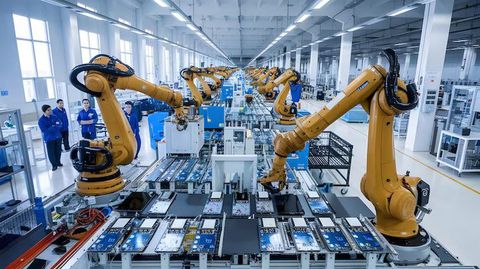
Automation Expansion
Automation adoption accelerated during 2025 and 2026 as manufacturers sought improved consistency and productivity. Automated systems can monitor coating thickness, temperature, and production speed with greater precision.
Emerging Focus Areas
The following chart highlights major industry priorities:
| Industry Priority | Growing Importance |
| Sustainability | Very High |
| Automation | Very High |
| Material Efficiency | High |
| Digital Monitoring | High |
| Quality Control | High |
| Energy Optimization | High |
These developments indicate that extrusion coating technology is becoming increasingly sophisticated while supporting environmental and operational goals.
Regulatory Frameworks and Industry Policies
Extrusion coating operations are influenced by various regulations and industry standards. These requirements vary by country and application.
Environmental Regulations
Governments worldwide continue strengthening environmental requirements related to manufacturing processes.
Key focus areas include:
- Emission management
- Waste reduction
- Energy efficiency
- Recycling initiatives
- Sustainable production practices
Manufacturers often implement environmental management systems to support compliance with applicable regulations.
Packaging and Food Contact Standards
When extrusion-coated materials are used in food packaging applications, they must comply with food-contact safety requirements established by relevant authorities.
These regulations typically address:
- Material safety
- Chemical migration limits
- Product testing requirements
- Manufacturing controls
Workplace Safety Requirements
Industrial facilities operating extrusion coating equipment must follow workplace safety guidelines.
Common areas of focus include:
- Machine guarding
- Operator training
- Emergency procedures
- Equipment maintenance
- Hazard management
Government Sustainability Programs
Many countries have introduced sustainability programs encouraging:
- Reduced packaging waste
- Increased recycling rates
- Resource efficiency
- Responsible manufacturing practices
These initiatives influence material selection and production strategies throughout the packaging value chain.
Helpful Tools and Resources
Several tools and resources help professionals understand, monitor, and improve extrusion coating operations.
Process Monitoring Tools
These systems help track:
- Temperature profiles
- Coating thickness
- Production speed
- Material consumption
Production Planning Templates
Manufacturers often use planning templates to:
- Schedule production runs
- Monitor quality metrics
- Track operational performance
Industrial Calculators
Common calculators assist with:
- Material consumption estimates
- Throughput calculations
- Production efficiency analysis
- Energy usage evaluation
Learning Resources
Useful educational resources include:
- Technical manuals
- Industry publications
- Manufacturing guides
- Engineering training materials
- Packaging technology references
Quality Management Systems
These systems help organizations:
- Document procedures
- Track inspections
- Manage compliance requirements
- Improve operational consistency
Using these resources can help organizations better understand extrusion coating technology and improve manufacturing performance.
Frequently Asked Questions
What is an extrusion coating machine used for?
An extrusion coating machine applies a molten polymer layer onto materials such as paper, foil, fabric, or film to improve protection, durability, and functionality.
Which industries commonly use extrusion coating?
Food packaging, healthcare, agriculture, construction, consumer goods, and textile industries frequently use extrusion-coated materials for various applications.
What materials can be coated using extrusion technology?
Common substrates include paper, aluminum foil, plastic films, woven fabrics, and specialty industrial materials.
How is extrusion coating different from extrusion lamination?
Extrusion coating applies a polymer layer directly onto a substrate, while extrusion lamination uses the molten polymer as an adhesive layer to bond multiple materials together.
Why is automation becoming important in extrusion coating?
Automation improves process consistency, reduces production variability, enhances quality control, and supports more efficient manufacturing operations.
Conclusion
Extrusion coating machines play a vital role in modern manufacturing by applying protective polymer layers to a wide range of materials. The technology helps improve product durability, barrier performance, and overall functionality across industries including packaging, healthcare, agriculture, and construction.